Medical imaging is a medical field in which healthcare professionals recreate images of body parts for treatment or diagnostic purposes. The procedures include non-invasive tests allowing doctors to diagnose diseases and injuries without interruption. While machine learning in medical imaging plays a vital role in CT scans, MRIs, X-rays, and ultrasounds, it provides valuable insights into the human body. In comparison to modern analysis, traditional image analysis is time-consuming and subjective.

Radiologists face a heavy workload with an assumption that human elements can lead to inconsistencies. This is where machine learning in medical imaging comes into the picture changing the game of healthcare. In this blog, you will be getting through the advancement in diagnostics with machine learning, artificial intelligence in radiology, and computer diagnosis.

Machine Learning in Medical Coding

Could you imagine a doctor checking out all the medical images? They need to verify and progressively improve their ability to identify patterns. Here the use of machine learning comes in to analyze vast amounts of medical image data. Furthermore, machine learning itself learns to recognize the patterns associated with specific diseases. They excel at tasks like anomaly detection, where they can flag suspicious regions in an image that might warrant further investigation. 


Want to Learn AI & ML in Healthcare? Join the best healthcare training institute in India

Diagnostic Imaging Advances with Machine Learning

Machine learning is a subset of artificial intelligence that doctors have been applying since the 1980s. Based on the expert knowledge, the users first set up clear instructions with parameters for diagnostic imaging advances features. With the help of machine learning algorithms, the instructors can find the areas, histograms, and shapes of the region of interest that they can extract. With the data availability, a huge part of them are used to train with machine learning algorithms and the rest is to be used for testing purposes. These are some of the machine learning diagnosis imaging advanced features:

Machine learning algorithms contribute to early disease detection by processing mass data with the recognition of complex patterns using AI. It sifts through mammograms or skin cancer screening, spotting subtle signs of malignancy, and may be missed by the human eye. This allows earlier intervention significantly improving patient outcomes. 

Machine learning acts as a powerful assistant to radiologists. It can pre-analyze images, highlighting areas of interest and streamlining the workflow. This reduces human error and frees up radiologists’ time for complex cases, ultimately leading to faster and more accurate diagnoses.

Machine learning holds immense potential for personalized medicine. Analyzing a patient’s medical history, genetic data, and imaging results, can help predict disease risk and tailor treatment plans to individual needs.


Want to Learn AI & ML in Healthcare? Join the best healthcare training institute in Bangalore


The Role of AI in Radiology

Artificial intelligence is an optimizing tool assisting radiologists as they detect suspicious findings in imaging exams, while also making the diagnosis, choosing a personalized patient protocol, tracking dose parameters, providing radiation risk estimation, and minimizing diagnosis errors. The potential of AI in radiology extends far beyond current applications. Ongoing research is exploring areas like:

  • Image Segmentation: ML can automatically identify and separate different tissues within an image, providing a more detailed picture for analysis.
  • 3D Reconstruction: Advanced algorithms can create 3D models from medical images, offering a more comprehensive view of anatomical structures.

Ethical considerations and human-AI collaboration are crucial aspects of this evolving field. Transparency and responsible development are essential to ensure trust and optimal patient care.


Want to Learn AI & ML in Healthcare? Join the best healthcare training institute in Chennai

Artificial intelligence and machine learning revolutionize medical imaging, ushering in a new era of diagnostics. These advancements hold immense promise to improve patient outcomes by enabling early disease detection, increased accuracy and efficiency in computer-aided diagnosis, and personalized treatment plans. While ethical considerations and human-AI collaboration require careful attention, the future of medical imaging is undoubtedly intertwined with machine learning and AI. As technology continues, radiologists will have powerful tools to enhance their capabilities and provide better patient care. 

At CliniLaunch, we are making the best future leaders in artificial intelligence and machine learning enhancing skills and knowledge to excel in their career for better prospecting. Join CliniLaunch, the AI & ML in Healthcare Institute in India.

Imagine you are shaping policies, impacting millions of lives and driving innovation within the organizations. Now, this is going to be your reality as a healthcare management professional. With the increase in complexities of healthcare systems & quality care, the need for skilled and experienced leaders have never been greater. 

This is the process where pursuing an MBA healthcare management degree offers a unique opportunity to develop the essential skills and knowledge required to excel in this dynamic field. By combining a solid foundation in business principles with a deep understanding of healthcare, graduates are well-equipped to tackle complex challenges and drive positive change. 

In this blog post, you will be exploring the key strategies for balancing a demanding career with an MBA in healthcare management. We will be discussing common challenges faced by working professionals, effective time management for MBA students, and practical advice for maintaining a healthcare work-life balance. Additionally, we will delve into the curriculum and career opportunities available to MBA healthcare management graduates.


Want to explore more about MBA Program? - MBA in Healthcare Management

Balance your career and MBA education offered by CliniLaunch with Dual Specialization

Credit: Karthik C (Graphic Designer at CliniLaunch)

Achieving a higher position in the career is a dream of many. Along with the knowledge and experience of working professionals, a master of business administration in healthcare management from CliniLaunch in affiliation with Bangalore University, can pave the way to success at the earliest. But having a full-time job & managing your higher studies could be challenging. 

Here is the list of challenges you may come across and how to tackle them effectively with MBA healthcare management degree:


24 hours may fall short when you are pursuing an MBA in healthcare management with a full-time job in your hand. Meeting office deadlines and completing the assignments might feel like a daunting task. By effectively executing time management strategies, you can have your week/day planned ahead. Stick to your scheduled routine so that you will have a set of completed tasks at the end of the day. 

To ease the burden of working professionals managing Jobs and MBA studies, CliniLaunch initiated weekend classes for those aspiring candidates to get ahead with their career. Regular offline classes on weekends will give you the breathing space you need for your working days. Therefore, utilize your time effectively over the weekends and still have time to catch up with the other recreational activities. 


Stephen Covey


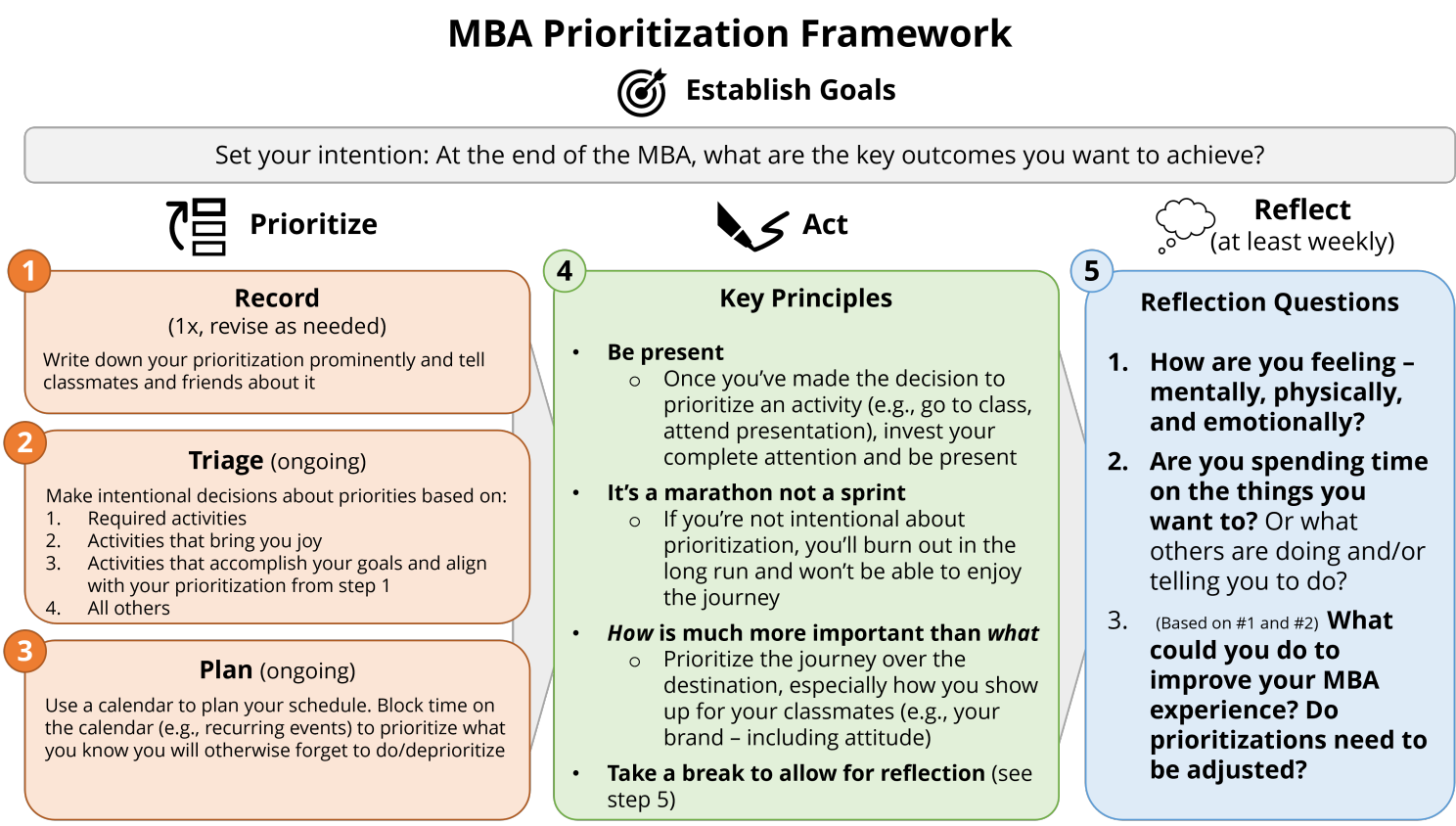
Setting your priority is the most important element to a successful MBA experience. Having a clear idea of important and immediate commitments will ease your burden. Mr. Jeffery Ng, Product Manager at Okta recommended an MBA Prioritization Fremawork to advance the key outcomes to achieve your overall objective of pursuit. This framework is best suitable as it shows how individuals should prioritize work-study balance for MBA students.  

Establish your goals with MBA Prioritization Framework

Credit: Jeffrey Ng (Product Manager at Okta) 

Pursuing an MBA healthcare management degree requires you to dedicate time, effort, and financial support. Therefore, as you continue with the semesters, you should track your priority list and reflect on it. Each semester comes with a new set of challenges, projects, workshops, and internships. You need to be prepared for the challenges with the right attitude to contribute to your success.


Pursuing an MBA healthcare management degree is a significant undertaking that requires dedication, discipline, and effective time management. Procrastinating can severely hinder your success leading to stress, anxiety, lowered academic performance  and damaged reputation. Following are some strategies to help you overcome procrastination:

  • A clear set of goals: Making a list of professional and personal goals will keep you oriented and free you from distraction. 
  • Working on it: By working towards your set of goals, you remain motivated and will keep you on the right track throughout your journey.
  • Realistics targets:  Having a time limit can save you from unwanted stress and enable you to draw more opportunities that will aid in your career growth.

Note: The first step is the hardest! Once your mind is tuned to the process, no amount of pressure can put you down. 


Work-Study Balance for MBA Students

Credit: Karthik C (Graphic Designer at CliniLaunch)

Balancing a full-time job while pursuing an MBA healthcare management degree is daunting. With the initiation of  weekend classes, you will have the chance to schedule your academic, professional, and personal work. CliniLaunch offers LMS (Learning Management System) access to graduates. Therefore, you can explore live sessions or virtual classroom sessions which are happening. This can peel off your burden in academics. 

Moreover, applying your knowledge & skill sets into work will keep you moving forward with your career aspirations impacting directly to your job in real time. While managing job and MBA studies deepen your understanding of the subject matter, it enhances your ability to contribute to the organization. This herculean task can be made easy by following the schedule and having a note of your priority list. 


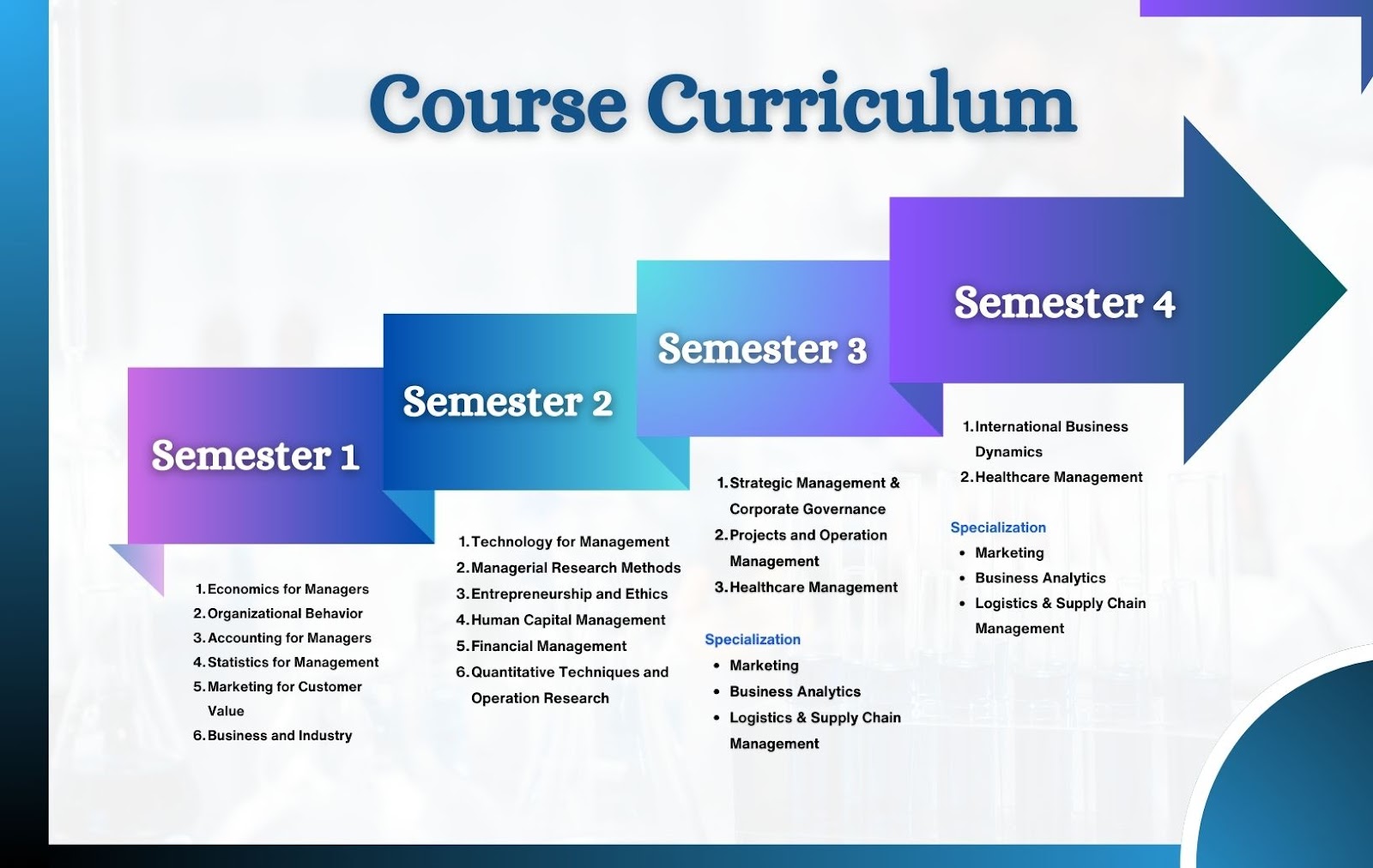
Making a wise choice of the MBA dual specialization program offered by CliniLaunch in affiliation with Bangalore University, is recommended. With an MBA Healthcare Management degree, you need to choose one specialization either in Marketing Management, or Business Analytics, or Logistics & Supply Chain Management. As semester II progresses, you can expect to choose from a highly recommended Postgraduate diploma program either in Clinical Research or AI & ML in healthcare. 

Note: The session shall be attended by students at CliniLaunch Bangalore Center at weekend. You can plan your schedule a way ahead accordingly. During semester II, the students can expect weekdays sessions for PG diploma programs which will be conducted both virtually or in-person, keeping the priorities in mind. This program has been curated to give you an exceptional foresight to make you completely understand the healthcare research industry. 


To know more, visit MBA Healthcare Management Dual Specialization


At CliniLaunch, we recognize collaboration with industry leaders and corporate partnerships. By understanding industry demand, you can familiarize, boost your industry knowledge, and employability. For this, CliniLaunch initiated “Industry Connects” to give you a fair chance to connect with the corporate and industry leaders within the healthcare industry. 

Case studies and practical insights are keyways that industry collaborations influence the MBA curriculum. clinilaunch often invites industry gurus who deliver guest lectures, hold seminars, or become mentors to young professionals. Such exchanges are invaluable because they provide real-life perspectives on various business challenges while contributing towards a richer classroom experience.


MBA Healthcare Management degree Dual Specialization Curriculum

Credit: Karthik C (Graphic Designer at CliniLaunch)

An MBA healthcare management degree with dual specialization typically includes another specialization given above in the image. Choosing Healthcare Management as a Major subject, students need to choose one specialization either in marketing, or business analytics or logistics & supply chain management. These three are the core courses or specializations that will help working professionals or students to choose their area of interest. 

  • PG Diploma in Clinical Research

The postgraduate diploma in clinical research at CliniLaunch offers an advanced sub-discipline of study bridging the gap between real-world healthcare improvements and scientific discovery. Along with the curriculum theoretical components, this programme also focuses on teaching students how to use their knowledge and skills in the real-world. 

  • AI & ML in Healthcare

Explore how artificial intelligence in healthcare programs can improve healthcare provider experiences and patient care. This program includes topics such as AI fundamentals, ethical considerations, data analysis, model development, interdisciplinary collaboration, hands-on projects, and practical applications. 


In affiliation with Bangalore University, CliniLaunch offers dual specialization including Healthcare Management and Marketing Management or Business Analytics or Logistics & Supply Chain Management. Here are the specialized courses that you can consider before moving forward within your career as a choice. 

As a major subject in MBA, it helps you develop strategies to address all facets of business management in the context of healthcare. By learning it, you will have the ability to excel in your career prioritizing different areas. Here are some of the job profiles that are open to healthcare management graduates: Chief Executive Officer, Chief Financial Officer, Chief Nursing Officer, Compliance officer, Healthcare Manager, Hospital Manager, and other major job profiles within the healthcare sector. 

Nowadays, marketing has become a very in-demand specialization, making it a popular course. CliniLaunch in affiliation with Bangalore University offers this specialization to choose for interested candidates. These are the top job opportunities that you can hold after the completion of healthcare management and marketing specialization: Healthcare marketing manager, Market Research Analyst, Chief Marketing Officer, Public Relation Director, Social Media Manager, etc.

Choosing business analytics as a specialization helps you to collect, clean, organize, visualize and interpret data to drive decision making in the business operations. In the context of industry demand, IBM  recorded data expecting the growing demand of data scientists and advanced analysts with an advanced degree. After you complete this course, get the opportunity to hold a position as a machine learning engineer, healthcare business analytics, healthcare research & data analyst, healthcare operation analyst, etc. 

Logistics & supply chain management as a specialization teaches students to use customer service, inventory, storage, warehousing. With this specialization, you can develop your analytical skills and management methods with supply chain strategies, freight transportation, and revenue management as they are interdisciplinary areas. Post completion of the course, you can get the opportunities to hold positions such as Sr Manager – SCM & Logistics, Supply Chain Analyst, Inventory Optimization Lead, Assistant Manager Warehouse, etc. 


As we are linked with the healthcare market, our industry and corporate connect will allow you to access internships of 2-3 months. You can also get into consultancy projects besides doing industrial immersions. With this practical learning, it will enable you to apply your theoretical concepts with your actual context of learning. Furthermore, practical learning will increase your chances of prospecting and it will equip you with the confidence and adaptability needed to run the corporate world. 


Career Opportunities and Salary Potential - MBA Healthcare management Degree with Dual Specialization

Credit: Karthik C (Graphic Designer at CliniLaunch)

An MBA Healthcare Management degree opens doors to a wide variety of career paths. It includes roles in healthcare consulting, hospital administration, health information management, and more. You can expect a salary based on various factors such as your experience, location, and roles & responsibilities. However, post MBA Healthcare Management degree, competitive salaries and excellent career prospects can be expected. Following are the combination of roles to leverage your expertise in healthcare management, clinical research, and AI & ML in healthcare. 

Fresher job roles suitable for an MBA Healthcare Management degree, Clinical Research, and AI & ML in Healthcare.
CategoryMBA Healthcare Management degree+ PGD in Clinical Research MBA in Healthcare Management degree + PGD in AI & ML in Healthcare
Research & CoordinationClinical Research Coordinator Healthcare Data Analyst
Business & Analysis Healthcare Business Analyst Clinical Decision Support Analyst
Operation & Management Operation Manager (Clinical Trials) Healthcare Business Intelligence Analyst 
Project ManagementProject Management (Healthcare) AI/ML Project Manager (Healthcare)
Business Development Business Development Executive (Healthcare) Digital Health Consultant 
Clinical Research Clinical Research Associate Healthcare Analytics Specialist
Consultancy Healthcare Consultant Medical Imaging Analyst (AI/ML) 
Medical Affairs Medical Affairs CoordinatorPredictive Analytics Specialist (Healthcare) 
Regulatory & Compliance Regulatory Affairs Specialist  Predictive Analytics Specialist (Healthcare) 
Quality Assurance Quality Assurance Specialist (Clinical Trials) AI/ML Research Associate (Healthcare) 
MBA in Healthcare Management Job Collaterals


Are you passionate about healthcare management or research and looking to advance your career? Do you hope that you can effectively change the way healthcare operates? If the answer is yes, an MBA Healthcare management degree will help you reach your goals. When you pursue a MBA Healthcare Management degree with dual specialization program from CliniLaunch, you earn your degree from a top-ranked Bangalore University, Karnataka.   

Because an MBA Healthcare Management degree provides education that covers a broad range of healthcare business concepts and its functions in various departments. It diversifies your knowledge, skills and will help you qualify for various opportunities in the healthcare industry. A degree in Master of business administration confers expertise in healthcare management and administrative areas enhancing your quality leadership skills and opens doors to opportunities within the job market.  

If you are planning to keep working while you MBA studies, this program offered by CliniLaunch in affiliation with A++ NAAC accredited Bangalore University is the best choice. Time Management for MBA students makes sense for many reasons: keep earning, reasonable education costs, and finally apply your learnings in real-time. We are projecting this learning as a powerful way to reinforce it. 

Will you fit in for the MBA in Healthcare Management program offered by CliniLaunch in affiliation with Bangalore University? Many students are mid-career healthcare professionals. They include biotech professionals, dentists, healthcare consultants, insurance professionals, nurses, pharma professionals, physical therapists. You can even start with this MBA healthcare management degree to supplement your current expertise with deeper business acumen. 

With due respect to your values and experiential learning, if you are passionate about healthcare and looking to advance your career with this program. Apply today


Dr. Vidya Gowda

She is a content creator at CliniLaunch, remedical therapist, yoga trainer, shaping therapies.


Artificial intelligence (AI) has emerged as a pivotal force across numerous industries, and the healthcare sector stands to benefit immensely from its potential. Within the domain of clinical research, AI is demonstrating its capacity to revolutionize traditional methodologies. This article explores the critical role of artificial intelligence in clinical research, examining its applications, the substantial impact of AI on clinical trials, and its potential to redefine the trajectory of medical science.

By comprehending the challenges inherent in conventional clinical research and the innovative solutions AI offers, we can unlock new avenues for enhancing patient outcomes and accelerating scientific progress.


Overcoming the Challenges of Traditional Clinical Research Through AI
Designed by Karthik C

Traditional clinical research methodologies are encumbered by significant challenges that hinder efficiency and escalate costs. The financial burden associated with conducting clinical trials is a primary obstacle. The intricate nature of research, encompassing patient recruitment, data collection, and analysis, significantly extends timelines, delaying the introduction of novel treatments and therapies. Moreover, identifying suitable patient populations for clinical trials is a time-consuming and resource-intensive endeavour.

The voluminous data generated in clinical research demands robust data management systems, which can be challenging to implement and maintain. Collectively, these factors undermine the efficiency and efficacy of traditional clinical research methodologies, necessitating innovative approaches such as the integration of artificial intelligence to enhance the overall impact of AI on clinical trials.


Artificial Intelligence as a Transformative force
Designed by Karthik C

Artificial intelligence (AI) is rapidly transforming clinical research. By harnessing AI, researchers can address challenges such as inefficient patient recruitment and lengthy trial timelines. AI applications, including image analysis, predictive modelling, and patient stratification, are driving innovation. AI-powered tools can accurately detect diseases, predict patient outcomes, and optimize treatment plans. Moreover, AI accelerates drug discovery by analyzing vast datasets. 

The integration of AI applications in healthcare research is profound, enabling researchers to extract valuable insights from complex data. By optimizing patient recruitment and clinical trial design, AI streamlines processes and accelerates drug development. The impact of AI on clinical trials is undeniable, as it empowers researchers to make data-driven decisions and improve patient outcomes. 

The role of machine learning is paramount in AI’s success. Machine learning algorithms enable AI systems to learn from data, making accurate predictions. As machine learning advances, AI’s potential to revolutionize healthcare will grow, ultimately improving patient care.


The integration of artificial intelligence (AI) is poised to revolutionize the landscape of clinical research. By harnessing AI’s capabilities, researchers can significantly enhance efficiency, reduce costs, and ultimately, improve patient outcomes. The application of AI applications in healthcare research offers a plethora of opportunities to optimize the clinical research process. 

One of the most significant benefits of AI lies in its ability to accelerate drug discovery. By analyzing vast datasets, AI algorithms can rapidly identify potential drug candidates, reducing the time and cost associated with traditional methods. This expedited process has the potential to bring life-saving therapies to patients more quickly. Additionally, AI can optimize clinical trial design and execution, leading to more efficient resource allocation and faster recruitment of participants. 

Another critical advantage of AI is its capacity to enable personalized medicine. By analyzing patient-specific data, AI algorithms can identify optimal treatment plans, increasing the likelihood of successful outcomes. This precision medicine approach holds the potential to revolutionize healthcare by tailoring treatments to individual patient characteristics. 

The role of machine learning in medical research is paramount in realizing the full potential of AI in clinical research. By utilizing machine learning algorithms, AI systems can analyze complex data sets, identify patterns, and make predictions, ultimately leading to more accurate diagnoses, effective treatments, and improved patient outcomes.


The future of Artificial Intelligence in Clinical Research
Designed by Karthik C

The future of clinical research is inextricably linked to advancements in artificial intelligence (AI). As AI technologies continue to evolve, their potential to address complex diseases and unmet medical needs becomes increasingly apparent. The integration of AI applications in healthcare research will be instrumental in shaping the future of medicine. 

Ethical considerations and robust regulatory frameworks will be crucial as AI assumes a more prominent role in clinical research. It is imperative to ensure that AI systems are developed and deployed responsibly, with a focus on patient safety and data privacy. As the field of machine learning in medical research matures, we can anticipate groundbreaking innovations that will transform the way we diagnose, treat, and prevent diseases.


The integration of artificial intelligence (AI) into clinical research holds immense potential to revolutionize healthcare. By harnessing AI’s capabilities, researchers can significantly enhance efficiency, reduce costs, and accelerate the development of new treatments. The impact of AI on clinical trials is already evident, with applications in image analysis, predictive modelling, and patient stratification demonstrating promising results. 

As AI continues to evolve, the role of machine learning in medical research will become increasingly critical. The integration of AI into standard clinical research practices is likely to become the norm, leading to a future where personalized medicine and precision healthcare are the standard of care. 

Ready to harness the power of AI in clinical research? Enroll in CliniLaunch today and gain the expertise to lead innovation in healthcare.


Krishna Talreja

Krishna Talreja

Dynamic content marketing professional with expertise in brand storytelling and strategic content creation. Adept at managing diverse content projects, driving engagement, and enhancing brand visibility across multiple platforms.


Pediatric clinical trials are critical for improving child health, but they face unique and difficult problems. Unlike adult clinical trials, these trials frequently deal with unique physiological, psychological, and ethical problems. This difference highlights the crucial need for specialized research on youngsters. 

The goal of this blog is to shed light on the challenges in conducting pediatric trials, to investigate opportunities for innovation in pediatric research, and to emphasize the significance of child-focused clinical studies. Understanding these features allows us to work together to improve children’s health and well-being through rigorous and successful pediatric clinical trials. 

Upskilling institutes such as CliniLaunch play an important role in bridging the knowledge gap and equipping professionals to handle the intricacies of pediatric clinical trials.


Challenges in Conducting Padiatric Clinical Trials
Designed by Karthik C

Conducting pediatric clinical trials presents particular hurdles that impede advances in child health. Patient recruitment is a significant challenge due to issues such as parental agreement, kid assent, and limited patient groups. 

Ethical issues, such as balancing risks and rewards, are critical. Data collection and administration are challenging owing to children’s comprehension and caregiver involvement. Navigating diverse regulatory environments increases the strain. Despite the challenges in conducting pediatric trials are critical for opportunities for innovation in pediatric research. This research is critical in generating novel medicines, and diagnostic tools, and enhancing overall childcare. Overcoming these challenges through new methodologies is critical to child-focused clinical studies and, ultimately, improving child health.


Opportunties for Innovation in Padiatric Research
Designed by Karthik C

The integration of technology, like artificial intelligence and digital platforms, can help simplify trial processes, improve data quality, and speed up drug development. Conducting relevant child-focused clinical studies requires a patient-centred strategy that includes children and their families in the research process. Using real-world evidence can supplement standard trial designs, offering important insights into treatment effectiveness in real-world contexts. 

Establishing strong collaborative collaborations among academics, physicians, patient advocates, industry, and regulatory authorities is critical for overcoming challenges in conducting pediatric trials. These collaborations promote information exchange, resource optimization, and, ultimately, better results for children. Upskilling healthcare practitioners with cutting-edge research procedures and technologies are critical for accelerating opportunities for innovation in pediatric research. By using these ideas, this area of of trials may move forward into a future marked by increased efficiency, patient-centred care, and faster medication discovery.


Child-focused clinical studies are critical to driving progress in pediatric healthcare. These trials serve as the foundation for developing effective treatments, diagnostic tools, and preventative methods customized to children’s specific requirements. Pediatric clinical trials help to improve child health outcomes and quality of life by producing strong evidence using rigorous research approaches.  

Beyond the immediate benefits to patients, this research helps to guide healthcare policy, budget allocation, and the creation of supportive services for children with chronic diseases. Investing in child-focused clinical studies reflects a long-term commitment to future generations’ well-being, which promotes a healthier and more productive society.


The Future of Padiatric Clinical Trials
Designed by Karthik C

The future of pediatric clinical trials has enormous promise for improving child health. Continued investment in research, together with technological advances, will surely boost the rate of discovery and innovation. To maximize the impact, researchers, doctors, policymakers, and patient advocacy organizations must work together. 

We can give children a better future by tackling the challenges in conducting pediatric trials and capitalizing on innovation in pediatric research. Upskilling efforts, such as those provided by CliniLaunch, are critical in establishing a trained workforce capable of driving progress in pediatric healthcare.


To summarize it all, successfully conducting pediatric clinical trials requires a collaborative effort to address the challenges of conducting pediatric trials while also capitalizing on prospects for innovation in pediatric research. By tackling these challenges and capitalizing on advances, the research community may make a substantial contribution to better child health outcomes. 

It is critical to recognize the importance of child-centred clinical studies in determining the future of pediatric medicine. By investing in research, education, and training, we can all work together to make children’s lives healthier. 

Consider enrolling in upskilling programs given by organizations such as CliniLaunch to increase your knowledge in this crucial subject. These programs give specialized training and information to professionals, enabling them to negotiate the complexity of trials and contribute to important research.


Krishna Talreja

Dynamic content marketing professional with expertise in brand storytelling and strategic content creation. Adept at managing diverse content projects, driving engagement, and enhancing brand visibility across multiple platforms.


MBA in Healthcare Management in Bangalore – Your prescription for a successful career success

The healthcare industry is tussling with a storm of challenges in present times. An aging population, rising prices, and the quick speed of technological development are putting healthcare providers under unheard-of strain. A recent study found that healthcare spending will increase by 50% in the next decade. Experts who can drive innovation and overcome these issues are needed in this complicated landscape. An MBA in Healthcare Management in Bangalore can equip professionals with the necessary business acumen to lead and transform the healthcare industry. This blog will explore the status of healthcare today, the need for an MBA in healthcare management, and the bright future ahead of graduates in healthcare management.


Designed by Karthik C

The healthcare industry is currently experiencing a pivotal moment where healthcare systems are under pressure due to rising expenses and an aging population, which is creating a greater need for chronic care management. Technology integration, including telemedicine and artificial intelligence, creates new potential but also complicated infrastructure and data privacy challenges. Healthcare firms also have to deal with an ever-changing regulatory environment, which makes things more complicated. 

These factors have a significant impact on the administration and provision of healthcare. Healthcare providers face tremendous pressure to save expenses while maintaining quality of care. Innovative solutions to improve patient experience and operational efficiency are sought after by healthcare businesses. Professionals with the business acumen to foster sustainable growth and a thorough understanding of the healthcare industry are desperately needed in this dynamic environment.


Data Tells the Story - Uncovering Trends in Healthcare Management Job Market
Designed by Karthik C

The numbers paint a stark picture of the challenges the healthcare industry is facing today. A closer examination of the data reveals the severity of these issues.  

  • Healthcare Costs Skyrocket: Healthcare spending in India has been on an upward trajectory and is steadily increasing. While specific data points might vary, it’s evident that healthcare costs have outpaced inflation, putting a strain on both public and private health insurance schemes. For instance, India’s health expenditure as a percentage of GDP was around 1.28% in 2017, and 2.1% in 2023 showing a significant increase from previous years thus steadily increasing in today’s times. These escalating costs are bringing in implications for both patients and the government. 
  • Aging Population and Increased Burden: India’s population is getting older at a rapid rate, causing a demographic shift. The number of individuals aged 60 and above has surged, placing increased pressure on healthcare systems that are under more strain as a result of this demographic shift, which calls for higher costs for chronic illnesses, geriatric care, and senior care facilities. 
  • Healthcare Workforce Challenges: There is a shortage of qualified medical personnel in India’s healthcare system, especially in the underprivileged and rural areas. The World Health Organization (WHO) recommends a doctor-patient ratio of 1:1000. However, India falls short of this standard, with a significant shortage of doctors, nurses, and other healthcare workers. The unequal distribution of the healthcare workforce affects access to high-quality care and puts more patients on the backs of currently employed medical professionals. 
  • Inefficiencies and Fragmentation: India’s healthcare system is characterized by fragmentation, with separate operations conducted by the public and private sectors. Duplication of services, inefficiencies, and worse than ideal patient outcomes are the results of this lack of coordination. Furthermore, the implementation of technology to enhance healthcare delivery is impeded by the digital divide and inadequate infrastructure in most regions of the nation.


To address these complex challenges, a comprehensive strategy is necessary to enhance healthcare accessibility. Prioritizing enhanced healthcare accessibility, improved care quality, and financial sustainability is crucial for the industry. India must accelerate its journey towards a healthier population by investing in healthcare infrastructure, bolstering the healthcare workforce, and leveraging digital health technologies. 

An MBA in Healthcare Management in Bangalore can equip more and more professionals with the skills to drive this desired transformation, leading to a promising healthcare management career outlook and substantial career growth in healthcare management.


MBA in Healthcare Management in Bangalore - The Advantage
Designed by Karthik C

An MBA in Healthcare Management in Bangalore equips professionals with the strategic acumen to successfully navigate the complex Indian healthcare landscape. Core competencies where positions that include leadership, finance, strategy, operations, and healthcare policy are crucial for driving innovation and delivering quality care. By developing these skills, graduates are poised for significant career growth in healthcare management. 

Clinilaunch strongly going by statistics and results, believes an MBA is crucial for shaping the future of healthcare. It empowers individuals to address pressing challenges such as rising costs, an aging population, and workforce shortages. Graduates are well-prepared to capitalize on the promising healthcare management career outlook and contribute to the transformation of the sector.


The healthcare management job market is robust, offering ample opportunities for MBA in Healthcare Management in Bangalore graduates and working professionals alike. Roles offering hospital administration, healthcare consulting, health insurance, and pharmaceutical companies abound. The industry’s increasing complexity ensures a strong demand for skilled managers. 

Future developments in healthcare occupations such as population health, artificial intelligence, and telemedicine are causing a rapid evolution in the healthcare sector. Professionals with an MBA in Healthcare Management are more prepared to handle this changing environment. Graduates may drive innovation, spot new opportunities, and influence the direction of healthcare by utilizing their business skills. 

This translates to substantial career growth in healthcare management for MBA graduates. They are positioned to take on bigger roles in the healthcare industry such as leadership roles and make significant contributions to the industry’s advancement.


Today, the Indian healthcare industry stands at a critical juncture, grappling with complex challenges. Factors like growing expenses, an aging population, and labour shortages need to be tackled and the best way to do so is asset management in every healthcare firm. Professionals willing to up their career game can upskill with MBA in Healthcare Management in Bangalore that provides a tactical edge. 

It enables professionals to promote innovation and enhance healthcare delivery by giving them the financial savvy, strategic thinking, and leadership abilities they need. Graduates can look forward to bright career growth in healthcare management and have a say in how the sector develops. The goal of CliniLaunch’s MBA in Healthcare Management course is to give professionals the skills they need to succeed in this fast-paced industry.  

Ready to develop strong foundational skills such  in leadership, finance, and healthcare to drive innovation and improve patient outcomes. Check out CliniLaunch’s platform for more upskilling details. 


Artificial intelligence in medical research is being revolutionized, changing the entire healthcare landscape. The intricacies of large datasets, complicated biological systems, and the challenging process of drug development have long bedeviled researchers. The development of efficient medicines for many illnesses has been severely hampered by these obstacles. 

Traditional research methodologies rely on manual human data processing and interpretation. More to all of this they are not designed to handle the size and complexity of contemporary datasets. The process of extracting valuable ideas from this enormous body of data is labor-intensive and time-intensive, which ultimately slows down the evolution of medicine research.


The realm of medical research is undergoing a profound transformation, ultimately fueled by an unprecedented surge in data generation. From genetic sequences and medical imaging to electronic health records (EHRs), the volume and complexity of data available to researchers are expanding at an exponential rate in today’s times. While offering enormous promise for ground-breaking discoveries, this data flood has also brought up several serious obstacles. 

Artificial intelligence (AI) is a new frontier that is emerging to address these difficulties. AI can uncover hidden patterns and connections in medical data by utilizing sophisticated algorithms and computer capacity. This might hasten the development of novel therapies and cures.


The challenge of Medical Data
Designed by Karthik C

Data in the medical profession is being produced at an incredible rate. Large volumes of genetic data, crucial for understanding disease susceptibility and identifying potential therapeutic targets, are generated through genomics research. Medical imaging technology produces high-resolution images, essential for detailed analysis of physiological functions and anatomical structures. Furthermore, EHRs captures a multitude of patient data, including medical history, diagnosis, prescriptions, and lab results. 

While this data represents a goldmine of information for medical research, there are many challenges that hinder its effective utilization too. Agendas like data silos, inconsistent formats, and privacy concerns complicate data integration initiatives but the sheer volume of data overwhelms conventional statistical methods, making it all the more difficult to extract meaningful insights and discover hidden patterns. 

Creative solutions are needed to solve these issues and realize the full potential of medical data. In order to get past these obstacles, artificial intelligence in medical research appears to be a potential solution. Through the use of machine learning for research insights and big data analytics, researchers may expedite the development of novel treatments and cures by delving deeper into intricate datasets and identifying patterns. 

As a result, researchers frequently struggle to extract usable insights from massive amounts of data. The limits of manual analysis become more evident as the complexity of medical research increases. 

To solve these issues and maximize the value of medical data, innovative solutions are necessary. Artificial intelligence in medical research appears to be a potential solution to overcoming all these old worries. By leveraging machine learning and big data analytics in healthcare, researchers may dive deeper into complicated information, spot trends, and speed up the development of novel treatments and cures.


Designed by Karthik C

The combination of enormous datasets and enhanced computer capacity has signaled a new era in medical research. Artificial intelligence (AI), notably machine learning for research insights, is driving this shift. By allowing computers to learn from data without explicit programming, AI enables researchers to glean new insights from previously daunting datasets. 

CliniLaunch recognizes the transformative potential of artificial intelligence in medical research and offers specialized training to equip professionals with the skills to harness its power. From accelerating drug discovery to enhancing disease diagnosis, AI is driving groundbreaking advancements in healthcare. By mastering machine learning for research insights, individuals can contribute to improving patient outcomes and shaping the future of medicine.


Designed by Karthik C

Data mining in big data analytics is transforming medical research by extracting significant trends and patterns from large databases. CliniLaunch recognizes the revolutionary power of big data and provides specialized training to upskill professionals with the necessary skills to optimize treatments in the field.

Researchers may dive deeply into complicated data using advanced analytics approaches, revealing hidden patterns that fuel innovation. AI-powered technologies make it easier to analyze patient records, genetic information, and clinical trial data, allowing for trend discovery, result prediction, and therapy optimization. Big data analytics aims to accelerate medication discovery. By searching through massive chemical databases, researchers may find prospective medication candidates, forecast their efficacy and safety, and simplify the development process. This data-driven method allows patients to receive life-saving drugs sooner.


Click here to learn more about the AI & ML course at CliniLaunch


Precision medicine aims to tailor medical treatment to patients characteristics of each patient. This approach is transforming healthcare by optimizing treatment plans and improving patient outcomes. 

AI plays an important role in precision medicine by simplifying patient classification and biomarker discovery. AI can use machine learning algorithms to analyze massive volumes of patient data (as data mining in medicine) and find subgroups with similar features, hence optimizing therapy choices. Furthermore, AI expedites the finding of biomarkers, which are molecular indications of illness or therapy response and are critical for designing personalized medicines. 

While the potential benefits of AI in precision medicine are enormous, ethical concerns must be carefully considered. CliniLaunch emphasizes the need for ethical AI adoption to protect patient privacy, data security, and algorithmic fairness with upskilling.


While the potential for artificial intelligence in medical research is enormous, certain hurdles must be met. Data privacy and security are top priorities, since sensitive patient information must be safeguarded. Furthermore, algorithmic bias might provide erroneous or discriminating results, impeding the equal use of AI. 

To address these difficulties, strong data governance structures and ethical principles are required. Continuous monitoring and assessment of AI systems are required to detect and correct biases. 

Furthermore, investing in AI education and training is critical for creating a competent workforce capable of developing and deploying AI solutions efficiently. CliniLaunch emphasizes the need for responsible AI development and application to prevent these hazards. And by referring to application, we mean upskilling to grow one’s expertise and ultimately contribute to the goal of better patient care. 


Krishna Talreja

Krishna Talreja

Dynamic content marketing strategist with expertise in brand storytelling and content creation. Adept at managing diverse content projects, driving engagement, and enhancing brand visibility across multiple platforms. 


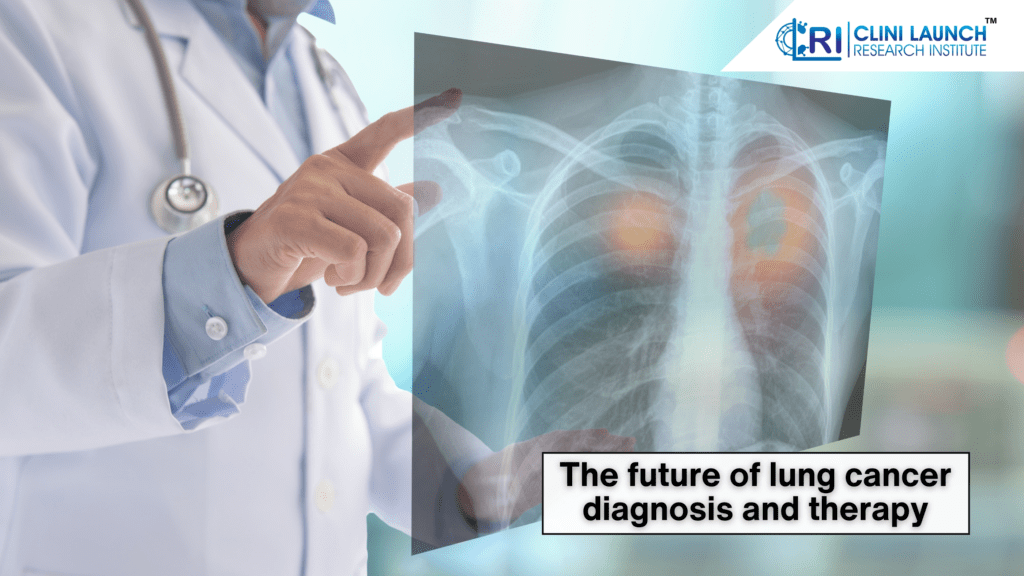
Lung cancer is a leading cause of health concern, but early detection through lung cancer symptoms can significantly improve treatment outcomes for better patient care. Recognizing the body’s warning signs is crucial. 


While smoking is by far the major risk factor, it’s not the only one. Many develop lung cancer without a history of smoking too. While lung cancer symptoms may seem concerning and increasing all around at an alarming rate, this blog empowers one with the knowledge of how to understand and gauge things better. We explore the common warning signs, the importance of early detection for successful treatment, and the promising advancements in lung cancer diagnosis and therapy. By the end, one should be equipped to recognize the signs and take control of your health. 


Early lung cancer symptoms can be subtle and may easily be mistaken for other conditions as well. But persistent cough, shortness of breath causing breathlessness, and chest pain are often the most common recognizable signs. However, these symptoms can also be caused by infections, allergies, or even asthma if considered. But if not diagnosed right, it can lead to potentially worse outcomes. This is the reason early detection is essential for exploring various lung cancer therapy options and achieving a positive prognosis. 


Remember! Lung cancer often whispers warnings before it shouts. 

So, moving further let’s delve deeper into the telltale signs the human body might give if lung cancer is present. Recognizing lung cancer symptoms is the first step towards early detection and successful treatment. 

  • Persistent Cough: A cough that lasts for weeks or even months, especially if it worsens at night or causes coughing up blood (hemoptysis), might be a warning sign.
  • Shortness of Breath (Dyspnea): Feeling winded or short of breath during daily tasks might indicate lung diseases, including lung cancer.
  • Chest Pain: A chronic aching or intense pain in the chest, especially while taking a big breath, coughing, or laughing, should be treated by a doctor.
  • Wheezing: A high-pitched whistling sound when breathing may be produced by restricted airways, which is a potential indication of lung cancer.
  • Unexplained Weight Loss: Losing weight accidentally, especially if you haven’t changed your diet or exercise routine, is cause for concern.
  • Hoarseness: A persistent change in voice, particularly hoarseness, may indicate lung cancer affecting the vocal cords.
  • Fatigue: Constant tiredness or a lack of energy might indicate a variety of illnesses, including lung cancer.
  • Recurring Lung Infections: Repeated attacks of pneumonia or bronchitis may indicate underlying lung problems, including cancer.
  • Swelling in the Face or Neck:  Fluid buildup in the chest owing to blocked lymph nodes can result in edoema in the face and neck.
  • Shoulder Pain: Tumors pushing on nearby nerves may be the source of pain at the top of the shoulder.
  • Clubbed Fingers: The broadening and rounding of the fingers may be a late-stage indication of lung cancer.


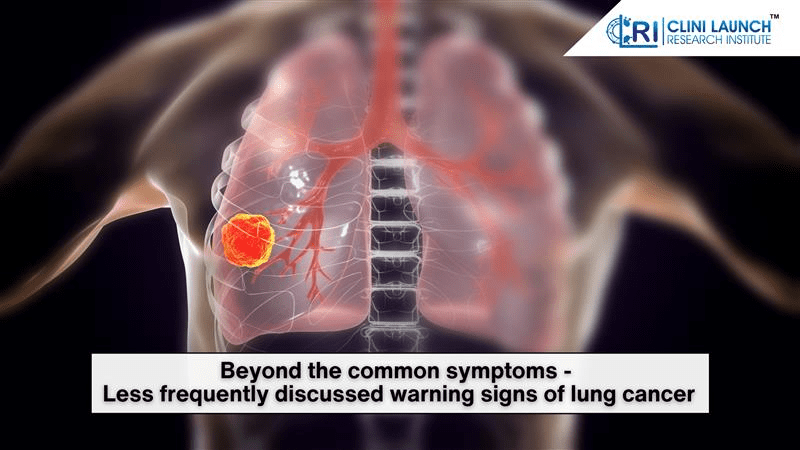
Beyond the common symptoms - Less frequently discussed warning signs of lung cancer
Designed by Karthik C

While a persistent cough is a reasonably important warning sign, lung cancer can sometimes present with more subtle symptoms. Let’s explore some lung cancer symptoms that might not be as readily discussed but are still important to be aware of: 

  • Bone Pain: Lung cancer symptoms may include bone pain, particularly in the back, hips, and ribs. This discomfort develops because malignant tumors can spread to the bones. 
  • Headaches: Persistent headaches, especially those that increase with coughing or straining, may be an indicator of lung cancer. This might mean the cancer has progressed to the brain.
  • Night Sweats: Unexpected sweating for no apparent reason can be a symptom of various cancers, including lung cancer.
  • Loss of Appetite: Feeling full or having a diminished desire to eat (loss of appetite) might be a sign of lung cancer, especially when combined with unexplained weight loss. 
  • Hoarse Voice: A change in voice quality can be a lung cancer symptom, such as hoarseness or raspiness, which may indicate lung cancer. This might be caused by malignancy of the vocal cords. 
  • Skin Changes: Although rare, lung cancer symptoms may include skin changes on the face, arms, or upper chest, such as redness, edoema, or itching.


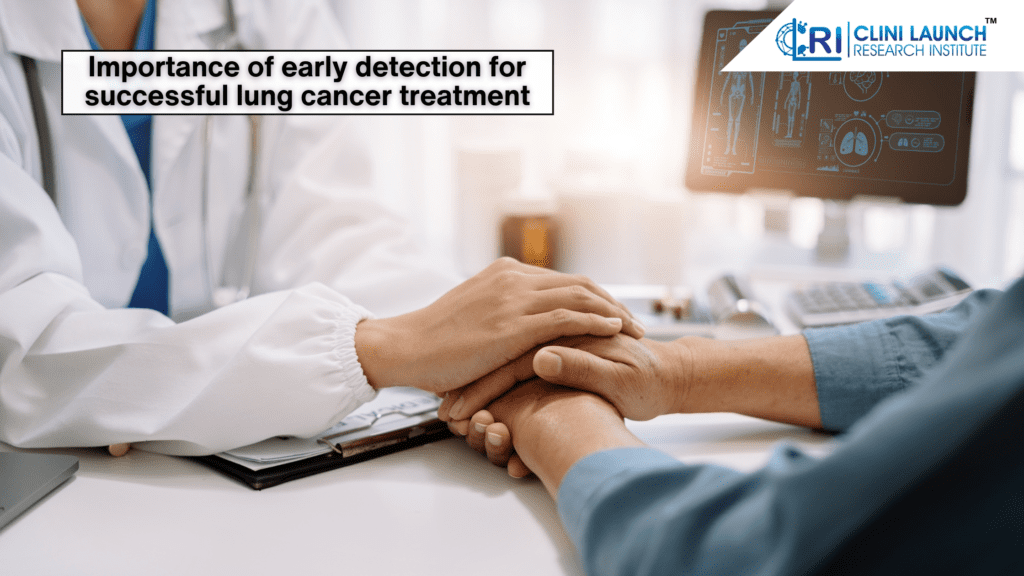
Importance of early detection for successful lung cancer treatment
Designed by Karthik C

Early detection significantly improves the chances of successful lung cancer treatment. When lung cancer is caught in its early stages, the treatment options are more effective on the body, and the prognosis is much better. 

In fact, according to the American Cancer Society, the 5-year survival rate for lung cancer detected at an early stage is 57%, whereas it is only 4% for lung cancer detected in the later stages. Thus, early detection allows for minimally invasive procedures like surgery and radiation therapy, potentially leading to better quality of life for patients undergoing treatment.


Designed by Karthik C

The medical field is constantly evolving in today’s times, offering hope for improved lung cancer diagnosis and treatment across the globe. New technologies have been developed such as low-dose CT scans that are becoming increasingly accessible for early detection.  

Additionally, research happening in blood tests for lung cancer screening is underway to try and find remedies for this as well. These advancements offer a lot of promise for even more effective diagnosis and the development of innovative lung cancer therapies in the future.


Lung cancer remains a severe health problem, but early identification using lung cancer signs is critical. Smoking is a significant risk factor, but it is not the only one. Recognizing warning signals such as a persistent cough, shortness of breath, and chest discomfort allows you to take control. Early discovery leads to improved treatment choices and a better prognosis. The future seems promising, with advances in diagnosis such as low-dose CT scans and prospective blood testing, as well as breakthrough lung cancer medicines. Be alert and see a doctor if you have any persistent symptoms. Early discovery can save lives. 

Early detection is key, and advancements in AI and machine learning in Healthcare offer exciting possibilities for the future of lung cancer diagnosis and treatment. For more details, visit www.clinilaunchresearch.in.


Krishna Talreja

Krishna Talreja

Content Strategist

A dynamic content marketing professional with expertise in brand storytelling and strategic content creation. Adept at managing diverse content projects, driving engagement, and enhancing brand visibility across multiple platforms.


Nowadays, artificial intelligence is revolutionizing the healthcare industry while improving patient output and enhancing their experiences. According to Vantage Market Research, global AI in the healthcare market is projected to reach $178.66 billion by 2030 with a CAGR of 45.80%. The Bytes Technolab says, the integration of Natural Language Processing (NLP) allows AI chatbots in healthcare to shape the future of patient care. In addition to it, the advancements in machine learning enable chatbots to adapt and learn the process over time. 

With the advancements in analyzing past data with user interactions, chatbots can provide specific health information offering mental health support through techniques such as sentiment analysis. The technological revolution paves the way for sophisticated data systems that support AI and advanced analytics. It accelerates process automation, gains valuable insights, and improves patient quality care. In this blog post, we will explore AI chatbots in healthcare, virtual health assistants, patient communication tools, and how AI enhances patient experience. 


AI Chatbots in Healthcare
Designed by Karthik C

IBM concluded two benefits of AI Chatbots in healthcare including the promotion of efficient clinical resources and patient experience enhancement. So, an AI chatbot is an advanced and self-learning software program that replicates human-like conversations with its users. In healthcare, AI chatbot offers perspectives to interact with complex systems. While it gathers medical or other information from various platforms, it removes unnecessary information. These healthcare chatbots can save time & resources and while automating repetitive tasks, they can provide instant assistance to their users. 


How Virtual Health Assistants transform the patient journey?
Designed by Karthik C

AI chatbots transform the patient journey as it helps alleviate the burden on healthcare providers. It can automate routine tasks such as scheduling appointments or setting up personalized healthcare reminders. Furthermore, virtual health assistance allows healthcare professionals to allocate time and resources to where they need it the most. While using chatbots, patients can answer questions seeking self-treatment or personalized medication. It can even track patient data such as blood pressure and glucose levels, and provide feedback on improving health outcomes. For more details on how AI is impacting the healthcare industry, check this out.


Read: The Impact of Artificial Intelligence on Healthcare


Benefits of AI Chatbots in Healthcare
Designed by Karthik C

As a conversational agent, patient communication tools can analyze patient-reported symptoms. By cross-referencing and providing personalized feedback in real-time, patients can improve their experiences with medical database accessibility. Artificial intelligence chatbots can bridge the language gaps serving a broader range of patients. It reduces the impact of health disparities internationally. With the integration into healthcare systems, chatbots can lead to increased in-patient engagement by empowering them to take charge of their health ensuring efficient medical resources.

AI chatbots limit the need for receptionists, phone conversations with healthcare professionals, and call center agents streamlining the patient journey. It facilitates the process while removing the intermediary and automates basic tasks. By automating time-consuming processes in healthcare, chatbots free up medical professionals to focus on critical aspects of patient care. Ultimately, enhancing patient experience, these chatbots cater to unique needs while maintaining privacy and security for the healthcare future. 

It can be time-consuming for patients to visit hospitals and clinics in person or it may be costly for patients. Although appointments are essential for diagnosis or treatments some of these can be avoidable at no cost. AI chatbots help streamline the process of appointments by discussing issues with patients while eliminating unnecessary visits. Furthermore, chatbots can offer solutions to simple problems by arranging or recommending visits for complex matters. 

The primary objective of medical professionals is to maintain patient care that requires direct contact. AI chatbots in healthcare enable patients to reach their healthcare providers, prioritizing certain cases, and instantly connecting them with appropriate professionals who can assist them. Chatbots can ultimately expedite healthcare for those who urgently need it and save time or resources for those who don’t need it. 


AI is transforming a patient’s journey in collaboration with healthcare professionals. The incorporation of AI chatbots in healthcare enables more personalized and efficient care while streamlining various processes throughout the user journey. This change provides healthcare professionals an opportunity to tap into advanced data analytics and machine learning which keeps automating the processes. By leveraging AI-powered patient communication tools such as predictive modeling and sentiment analysis, healthcare professionals can gain insights into preferences. 

Introducing CliniLaunch, a premier upskilling institute that offers a comprehensive curriculum for AI & ML in healthcare. If you are a student or early healthcare professional who wants to transform your career in the field of data analytics in healthcare or AI scientists, CliniLaunch is the best choice for you. For more details, fill up the registration form and one of our counselors will be connecting with you shortly.


Imagine a future where healthcare isn’t a one-size-fits-all approach. A future where treatments are designed specifically for you, taking into account your unique genetic makeup, medical history, and lifestyle. This is the promise of precision medicine, also known as personalized medicine. By leveraging the power of Artificial Intelligence (AI) and Machine Learning (ML), precision medicine is revolutionizing how we diagnose and treat diseases.

Traditionally, medicine has relied on a population-based approach. Treatments are designed for the “average” patient, often leading to suboptimal outcomes for some individuals. This can be due to variations in how our bodies respond to medications or the presence of underlying genetic factors. Precision medicine aims to bridge this gap by tailoring treatment plans to the specific needs of each patient, offering a more individualized treatment approach.


AI plays a crucial role in precision medicine by analyzing vast amounts of complex data. This data can include:

  • Genetic information: Our genes hold a wealth of information about our susceptibility to diseases and how we might respond to certain medications. AI can analyze an individual’s genetic makeup to identify potential risk factors and predict how they might react to specific treatments.
  • Medical records: A patient’s medical history, including past diagnoses, medications taken, and treatment responses, is a valuable resource for AI algorithms. By analyzing this data, AI can identify patterns and trends that can inform personalized treatment plans.
  • Lifestyle factors: Diet, exercise, and environmental factors can all influence how our bodies respond to treatment. AI can take these factors into account when generating treatment recommendations.

By analyzing this multifaceted data, AI can:

  • Improve diagnosis: AI algorithms can analyze medical images, such as X-rays and MRIs, with greater accuracy than humans, leading to earlier and more precise diagnoses. This allows for the early intervention of treatment plans, improving patient outcomes.
  • Predict treatment response: AI can analyze data from past clinical trials and patient responses to predict how an individual patient might respond to a specific treatment. This allows doctors to choose the most effective course of action from the outset, reducing the trial-and-error phase of treatment.
  • Identify new drug targets: AI can analyze vast datasets to identify potential new targets for drug development. This allows for the creation of more targeted therapies that are more effective and have fewer side effects.

Read: Advanced Machine Learning In Medical Imaging Classified 2024


Machine learning (ML), a subset of AI, is another powerful tool in the precision medicine arsenal. ML algorithms can learn from data without being explicitly programmed, constantly improving their ability to analyze and generate insights. In healthcare customization, ML is used for:

  • Developing risk prediction models: ML algorithms can analyze patient data to identify individuals at high risk for developing specific diseases. This allows for early intervention and preventative measures to be taken.
  • Creating personalized treatment plans: ML algorithms can analyze a patient’s unique data profile and recommend treatment plans that are most likely to be successful. This can include tailoring medication dosages and treatment schedules for optimal effectiveness.
  • Monitoring patient progress: ML algorithms can be used to monitor a patient’s response to treatment in real-time. This allows for adjustments to be made to the treatment plan as needed, ensuring the best possible outcome.


The potential benefits of precision medicine are numerous:

  • Improved patient outcomes: By tailoring treatments to the individual, precision medicine has the potential to significantly improve patient outcomes. This includes increased effectiveness of treatments, reduced side effects, and improved overall patient well-being.
  • Reduced healthcare costs: By focusing on targeted therapies and preventative measures, precision medicine can help to reduce overall healthcare costs. This is because it avoids the use of ineffective treatments and reduces the need for hospitalization.
  • Drug discovery breakthroughs: Precision medicine can accelerate drug discovery by identifying new targets for drug development. This can lead to the creation of more effective and personalized treatments for a wider range of diseases.


While the future of precision medicine is bright, there are still some challenges to overcome:

  • Data privacy and security: The vast amount of data required for precision medicine raises concerns about data privacy and security. Robust data protection measures need to be in place to ensure patient confidentiality.
  • Accessibility and cost: Precision medicine treatments can be expensive, and ensuring equitable access for all patients remains a challenge. Healthcare systems will need to find ways to make these treatments more affordable and accessible.
  • Regulatory frameworks: Regulatory frameworks need to adapt to keep pace with the rapid advancements in precision medicine. This includes ensuring the ethical development and use of AI-powered tools in healthcare.


Despite the challenges, the future of precision medicine is full of promise. As AI and ML technologies continue to evolve, we can expect to see even greater advancements in this field. Here’s a glimpse into what the future might hold:

  • Integration with wearable technology: Wearable devices that track our health data in real-time can be seamlessly integrated with AI-powered platforms. This will allow for continuous monitoring of vital signs and further personalization of treatment plans.
  • Focus on preventative care: Precision medicine has the potential to shift the focus from reactive treatment to proactive prevention. By identifying individuals at high risk for certain diseases, preventive measures can be taken to prevent the onset of illness altogether.
  • Genomic medicine: As our understanding of the human genome continues to grow, so too will the role of genomics in precision medicine. By analyzing an individual’s complete genetic makeup, doctors will be able to identify predispositions to diseases and tailor treatment plans accordingly.


Precision medicine represents a paradigm shift in healthcare. By leveraging the power of AI and ML, we are moving towards a future where treatments are designed specifically for the individual. This holds immense potential for improving patient outcomes, reducing healthcare costs, and ultimately, revolutionizing the way we approach healthcare altogether.

However, realizing the full potential of precision medicine requires a collaborative effort. Healthcare providers, researchers, policymakers, and technology companies all need to work together to address the challenges and ensure equitable access to these advancements. As we move forward, it’s important to remember that AI and ML are tools to be used in conjunction with human expertise, not replacements for it. The future of healthcare lies in the synergy between cutting-edge technology and the irreplaceable human touch.

If you are a healthcare enthusiast who wants to pursue AI & ML for future prospecting or transition, consider CliniLaunchbest AI & ML in healthcare training institute in India


Due to brimming AI’s disruptive potential, the field of drug research is revolutionizing, driving the industry to go through substantial turmoil. In this blog, we will analyze the significant role of AI drug discovery in accelerating computational revolution. Let’s begin with how these technical advancements transform the manufacturing circumstances of the pharmaceutical industry by altering the production of life-saving drugs. 


Drive Pharmaceutical Research Advancements using AI
Designed By Karthik C

AI-driven drug development has several advantages that boost the advancements in pharmaceutical research. The biggest benefit of using artificial intelligence is its ability to complete the task faster. AI can analyze massive datasets and find novel candidates much quicker than convenient. It is crucial to increase the speed to react immediately to emerging illnesses or health conditions that may lower expenses for drug development. 

With automation in data processing, forecasting therapeutic characteristics, and chemical structure optimization, AI can speed up pharmaceutical research and development. Due to this, pharmaceutical businesses can reduce debt and preserve existing resources. It also effectively creates better medications. Artificial intelligence can discover pharmacological prospects to interact with biological sickness signs while analyzing a massive dataset of biological and chemical data.

This necessary step towards new therapies allows pharmaceutical companies to create safer and more effective medications. With medical development, driven by AI drug discovery may help discover new therapeutic targets finding it in massive genomic and proteomic datasets. Along with the expansion of medication discovery, artificial intelligence promotes pharmaceutical research advancements and innovation. As it improves pharmaceutical repurposing, it can also analyze pharmacological attributes and interactions.


Learn how researchers develop life-saving treatments. Enroll now.


Earlier, developing new medications was time-consuming and expensive. Researchers sift through various libraries of molecules, and in a while, they will test them one by one targeting specific diseases for their potential. This trial-and-error approach often led to dead ends as it was riddled with inefficiencies. 


Machine Learning in Drug Development
Designed by Karthik C

Artificial intelligence and machine learning in drug development are transforming every stage of the drug discovery pipeline. Here you will find out how this powerful human-AI interaction is working: 

Nowadays researchers analyze massive genetic and protein information datasets using advanced computer drug screening and AI algorithms. With this potent combination, AI helps identify promising drug targets missed previously. Target identification and validation empower researchers to streamline the process and increase the likelihood of targeting the root cause of a disease. 

In-silicon Screening
Designed by Karthik C

Can you imagine replacing manual library screening? AI drug discovery offers a powerful computational drug screening process. AI algorithms predict the molecular binding to a specific target through “in silico” screening. With the reduction in the number of physical experiments required, it saves the researchers valuable time and resources. However, human scientists curate the data used to train these algorithms and ultimately select the most promising candidates for further exploration. 

Advanced computational drug screening helps analyze the structure-activity relationships of potential drug candidates. Lead optimization guides medicinal chemists in optimizing drug potency and selectivity, leading to more effective medications with fewer side effects. Human expertise remains crucial in interpreting the data and making key decisions throughout this process.


Learn how researchers develop life-saving treatments. Enroll now.


To sum up, AI is transforming the drug development sector due to its many benefits. Its speed and efficiency can boost research and development, making it invaluable. This speeds up the delivery of life-saving medicines, which is crucial. AI may cut costs, improve therapeutic effectiveness, and expand drug target discovery, making it a formidable tool in pharmaceutical research. The search for novel drugs is poised for a significant leap forward. As these powerful computational tools and techniques continue to evolve, we can expect a surge in the development of more targeted, effective, and safer pharmaceuticals. This innovation has the potential to revolutionize healthcare on a global scale, aiding in the fight to eradicate illnesses and improve overall health outcomes.

Visit: www.clinilaunchresearch.in