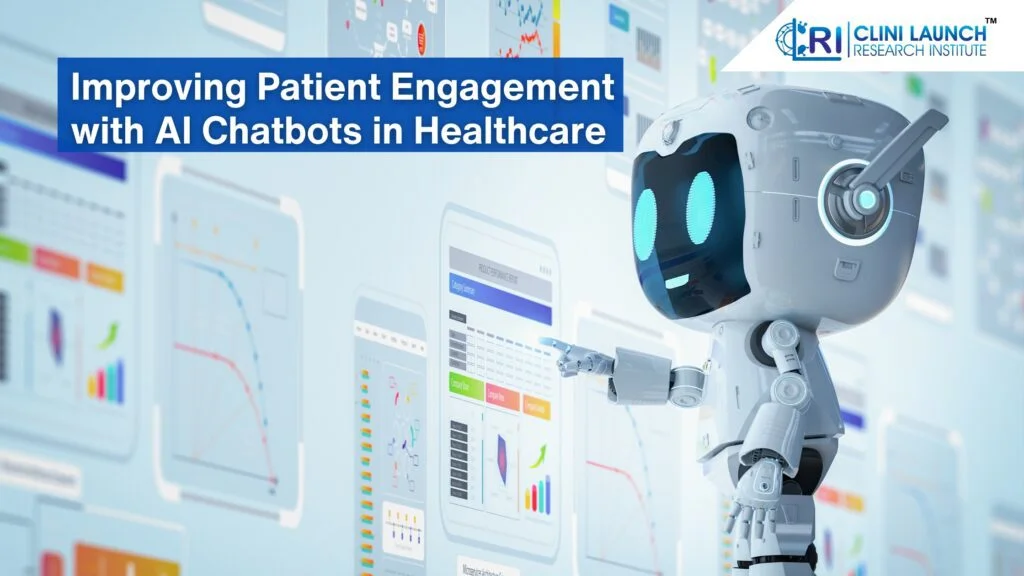
Nowadays, artificial intelligence is revolutionizing the healthcare industry while improving patient output and enhancing their experiences. According to Vantage Market Research, global AI in the healthcare market is projected to reach $178.66 billion by 2030 with a CAGR of 45.80%. The Bytes Technolab says, the integration of Natural Language Processing (NLP) allows AI chatbots in healthcare to shape the future of patient care. In addition to it, the advancements in machine learning enable chatbots to adapt and learn the process over time. 

With the advancements in analyzing past data with user interactions, chatbots can provide specific health information offering mental health support through techniques such as sentiment analysis. The technological revolution paves the way for sophisticated data systems that support AI and advanced analytics. It accelerates process automation, gains valuable insights, and improves patient quality care. In this blog post, we will explore AI chatbots in healthcare, virtual health assistants, patient communication tools, and how AI enhances patient experience. 


AI Chatbots in Healthcare
Designed by Karthik C

IBM concluded two benefits of AI Chatbots in healthcare including the promotion of efficient clinical resources and patient experience enhancement. So, an AI chatbot is an advanced and self-learning software program that replicates human-like conversations with its users. In healthcare, AI chatbot offers perspectives to interact with complex systems. While it gathers medical or other information from various platforms, it removes unnecessary information. These healthcare chatbots can save time & resources and while automating repetitive tasks, they can provide instant assistance to their users. 


How Virtual Health Assistants transform the patient journey?
Designed by Karthik C

AI chatbots transform the patient journey as it helps alleviate the burden on healthcare providers. It can automate routine tasks such as scheduling appointments or setting up personalized healthcare reminders. Furthermore, virtual health assistance allows healthcare professionals to allocate time and resources to where they need it the most. While using chatbots, patients can answer questions seeking self-treatment or personalized medication. It can even track patient data such as blood pressure and glucose levels, and provide feedback on improving health outcomes. For more details on how AI is impacting the healthcare industry, check this out.


Read: The Impact of Artificial Intelligence on Healthcare


Benefits of AI Chatbots in Healthcare
Designed by Karthik C

As a conversational agent, patient communication tools can analyze patient-reported symptoms. By cross-referencing and providing personalized feedback in real-time, patients can improve their experiences with medical database accessibility. Artificial intelligence chatbots can bridge the language gaps serving a broader range of patients. It reduces the impact of health disparities internationally. With the integration into healthcare systems, chatbots can lead to increased in-patient engagement by empowering them to take charge of their health ensuring efficient medical resources.

AI chatbots limit the need for receptionists, phone conversations with healthcare professionals, and call center agents streamlining the patient journey. It facilitates the process while removing the intermediary and automates basic tasks. By automating time-consuming processes in healthcare, chatbots free up medical professionals to focus on critical aspects of patient care. Ultimately, enhancing patient experience, these chatbots cater to unique needs while maintaining privacy and security for the healthcare future. 

It can be time-consuming for patients to visit hospitals and clinics in person or it may be costly for patients. Although appointments are essential for diagnosis or treatments some of these can be avoidable at no cost. AI chatbots help streamline the process of appointments by discussing issues with patients while eliminating unnecessary visits. Furthermore, chatbots can offer solutions to simple problems by arranging or recommending visits for complex matters. 

The primary objective of medical professionals is to maintain patient care that requires direct contact. AI chatbots in healthcare enable patients to reach their healthcare providers, prioritizing certain cases, and instantly connecting them with appropriate professionals who can assist them. Chatbots can ultimately expedite healthcare for those who urgently need it and save time or resources for those who don’t need it. 


AI is transforming a patient’s journey in collaboration with healthcare professionals. The incorporation of AI chatbots in healthcare enables more personalized and efficient care while streamlining various processes throughout the user journey. This change provides healthcare professionals an opportunity to tap into advanced data analytics and machine learning which keeps automating the processes. By leveraging AI-powered patient communication tools such as predictive modeling and sentiment analysis, healthcare professionals can gain insights into preferences. 

Introducing CliniLaunch, a premier upskilling institute that offers a comprehensive curriculum for AI & ML in healthcare. If you are a student or early healthcare professional who wants to transform your career in the field of data analytics in healthcare or AI scientists, CliniLaunch is the best choice for you. For more details, fill up the registration form and one of our counselors will be connecting with you shortly.


Imagine a future where healthcare isn’t a one-size-fits-all approach. A future where treatments are designed specifically for you, taking into account your unique genetic makeup, medical history, and lifestyle. This is the promise of precision medicine, also known as personalized medicine. By leveraging the power of Artificial Intelligence (AI) and Machine Learning (ML), precision medicine is revolutionizing how we diagnose and treat diseases.
Traditionally, medicine has relied on a population-based approach. Treatments are designed for the “average” patient, often leading to suboptimal outcomes for some individuals. This can be due to variations in how our bodies respond to medications or the presence of underlying genetic factors. Precision medicine aims to bridge this gap by tailoring treatment plans to the specific needs of each patient, offering a more individualized treatment approach.


AI plays a crucial role in precision medicine by analyzing vast amounts of complex data. This data can include:

  • Genetic information: Our genes hold a wealth of information about our susceptibility to diseases and how we might respond to certain medications. AI can analyze an individual’s genetic makeup to identify potential risk factors and predict how they might react to specific treatments.
  • Medical records: A patient’s medical history, including past diagnoses, medications taken, and treatment responses, is a valuable resource for AI algorithms. By analyzing this data, AI can identify patterns and trends that can inform personalized treatment plans.
  • Lifestyle factors: Diet, exercise, and environmental factors can all influence how our bodies respond to treatment. AI can take these factors into account when generating treatment recommendations.

By analyzing this multifaceted data, AI can:

  • Improve diagnosis: AI algorithms can analyze medical images, such as X-rays and MRIs, with greater accuracy than humans, leading to earlier and more precise diagnoses. This allows for the early intervention of treatment plans, improving patient outcomes.
  • Predict treatment response: AI can analyze data from past clinical trials and patient responses to predict how an individual patient might respond to a specific treatment. This allows doctors to choose the most effective course of action from the outset, reducing the trial-and-error phase of treatment.
  • Identify new drug targets: AI can analyze vast datasets to identify potential new targets for drug development. This allows for the creation of more targeted therapies that are more effective and have fewer side effects.

Read: Advanced Machine Learning In Medical Imaging Classified 2024


Machine learning (ML), a subset of AI, is another powerful tool in the precision medicine arsenal. ML algorithms can learn from data without being explicitly programmed, constantly improving their ability to analyze and generate insights. In healthcare customization, ML is used for:

  • Developing risk prediction models: ML algorithms can analyze patient data to identify individuals at high risk for developing specific diseases. This allows for early intervention and preventative measures to be taken.
  • Creating personalized treatment plans: ML algorithms can analyze a patient’s unique data profile and recommend treatment plans that are most likely to be successful. This can include tailoring medication dosages and treatment schedules for optimal effectiveness.
  • Monitoring patient progress: ML algorithms can be used to monitor a patient’s response to treatment in real-time. This allows for adjustments to be made to the treatment plan as needed, ensuring the best possible outcome.


The potential benefits of precision medicine are numerous:

  • Improved patient outcomes: By tailoring treatments to the individual, precision medicine has the potential to significantly improve patient outcomes. This includes increased effectiveness of treatments, reduced side effects, and improved overall patient well-being.
  • Reduced healthcare costs: By focusing on targeted therapies and preventative measures, precision medicine can help to reduce overall healthcare costs. This is because it avoids the use of ineffective treatments and reduces the need for hospitalization.
  • Drug discovery breakthroughs: Precision medicine can accelerate drug discovery by identifying new targets for drug development. This can lead to the creation of more effective and personalized treatments for a wider range of diseases.


While the future of precision medicine is bright, there are still some challenges to overcome:

  • Data privacy and security: The vast amount of data required for precision medicine raises concerns about data privacy and security. Robust data protection measures need to be in place to ensure patient confidentiality.
  • Accessibility and cost: Precision medicine treatments can be expensive, and ensuring equitable access for all patients remains a challenge. Healthcare systems will need to find ways to make these treatments more affordable and accessible.
  • Regulatory frameworks: Regulatory frameworks need to adapt to keep pace with the rapid advancements in precision medicine. This includes ensuring the ethical development and use of AI-powered tools in healthcare.


Despite the challenges, the future of precision medicine is full of promise. As AI and ML technologies continue to evolve, we can expect to see even greater advancements in this field. Here’s a glimpse into what the future might hold:

  • Integration with wearable technology: Wearable devices that track our health data in real-time can be seamlessly integrated with AI-powered platforms. This will allow for continuous monitoring of vital signs and further personalization of treatment plans.
  • Focus on preventative care: Precision medicine has the potential to shift the focus from reactive treatment to proactive prevention. By identifying individuals at high risk for certain diseases, preventive measures can be taken to prevent the onset of illness altogether.
  • Genomic medicine: As our understanding of the human genome continues to grow, so too will the role of genomics in precision medicine. By analyzing an individual’s complete genetic makeup, doctors will be able to identify predispositions to diseases and tailor treatment plans accordingly.


Precision medicine represents a paradigm shift in healthcare. By leveraging the power of AI and ML, we are moving towards a future where treatments are designed specifically for the individual. This holds immense potential for improving patient outcomes, reducing healthcare costs, and ultimately, revolutionizing the way we approach healthcare altogether.

However, realizing the full potential of precision medicine requires a collaborative effort. Healthcare providers, researchers, policymakers, and technology companies all need to work together to address the challenges and ensure equitable access to these advancements. As we move forward, it’s important to remember that AI and ML are tools to be used in conjunction with human expertise, not replacements for it. The future of healthcare lies in the synergy between cutting-edge technology and the irreplaceable human touch.

If you are a healthcare enthusiast who wants to pursue AI & ML for future prospecting or transition, consider CliniLaunchbest AI & ML in healthcare training institute in India


Due to brimming AI’s disruptive potential, the field of drug research is revolutionizing, driving the industry to go through substantial turmoil. In this blog, we will analyze the significant role of AI drug discovery in accelerating computational revolution. Let’s begin with how these technical advancements transform the manufacturing circumstances of the pharmaceutical industry by altering the production of life-saving drugs. 


Drive Pharmaceutical Research Advancements using AI
Designed By Karthik C

AI-driven drug development has several advantages that boost the advancements in pharmaceutical research. The biggest benefit of using artificial intelligence is its ability to complete the task faster. AI can analyze massive datasets and find novel candidates much quicker than convenient. It is crucial to increase the speed to react immediately to emerging illnesses or health conditions that may lower expenses for drug development. 

With automation in data processing, forecasting therapeutic characteristics, and chemical structure optimization, AI can speed up pharmaceutical research and development. Due to this, pharmaceutical businesses can reduce debt and preserve existing resources. It also effectively creates better medications. Artificial intelligence can discover pharmacological prospects to interact with biological sickness signs while analyzing a massive dataset of biological and chemical data.

This necessary step towards new therapies allows pharmaceutical companies to create safer and more effective medications. With medical development, driven by AI drug discovery may help discover new therapeutic targets finding it in massive genomic and proteomic datasets. Along with the expansion of medication discovery, artificial intelligence promotes pharmaceutical research advancements and innovation. As it improves pharmaceutical repurposing, it can also analyze pharmacological attributes and interactions.


Learn how researchers develop life-saving treatments. Enroll now.


Earlier, developing new medications was time-consuming and expensive. Researchers sift through various libraries of molecules, and in a while, they will test them one by one targeting specific diseases for their potential. This trial-and-error approach often led to dead ends as it was riddled with inefficiencies. 


Machine Learning in Drug Development
Designed by Karthik C

Artificial intelligence and machine learning in drug development are transforming every stage of the drug discovery pipeline. Here you will find out how this powerful human-AI interaction is working: 

Nowadays researchers analyze massive genetic and protein information datasets using advanced computer drug screening and AI algorithms. With this potent combination, AI helps identify promising drug targets missed previously. Target identification and validation empower researchers to streamline the process and increase the likelihood of targeting the root cause of a disease. 

In-silicon Screening
Designed by Karthik C

Can you imagine replacing manual library screening? AI drug discovery offers a powerful computational drug screening process. AI algorithms predict the molecular binding to a specific target through “in silico” screening. With the reduction in the number of physical experiments required, it saves the researchers valuable time and resources. However, human scientists curate the data used to train these algorithms and ultimately select the most promising candidates for further exploration. 

Advanced computational drug screening helps analyze the structure-activity relationships of potential drug candidates. Lead optimization guides medicinal chemists in optimizing drug potency and selectivity, leading to more effective medications with fewer side effects. Human expertise remains crucial in interpreting the data and making key decisions throughout this process.


Learn how researchers develop life-saving treatments. Enroll now.


To sum up, AI is transforming the drug development sector due to its many benefits. Its speed and efficiency can boost research and development, making it invaluable. This speeds up the delivery of life-saving medicines, which is crucial. AI may cut costs, improve therapeutic effectiveness, and expand drug target discovery, making it a formidable tool in pharmaceutical research. The search for novel drugs is poised for a significant leap forward. As these powerful computational tools and techniques continue to evolve, we can expect a surge in the development of more targeted, effective, and safer pharmaceuticals. This innovation has the potential to revolutionize healthcare on a global scale, aiding in the fight to eradicate illnesses and improve overall health outcomes.

Visit: www.clinilaunchresearch.in

Artificial Intelligence is widely accepted in businesses and society now and beginning to be applied to healthcare. Revolutionizing ML applications in 2024, Artificial intelligence in healthcare has the potential to transform multiple aspects of patient care along with administration processes within providers, payers, and pharmaceutical organizations. 

As the healthcare industry is shifting the innovative landscape with AI and ML, it is transforming the way to diagnose and manage health, and treatment. In this blog, we will delve deep into the exciting world of AI in Healthcare while exploring ML applications. 


Machine Learning (ML) Applications in Healthcare

With the expansion in technological aspects of healthcare, machine learning improves personalized medication, accuracy in diagnosis, and has the potential to find dynamic solutions to traditional methods. By using machine learning (ML) applications in healthcare, you can programme computers to make connections, predictions, and discover insights from huge datasets that healthcare providers may miss out on.

The main goal of machine learning is to improve patient care while producing medical insights that were unavailable before. Doctors may validate their reasoning and decision-making process through predictive algorithms. Suppose, a doctor is prescribing a specific medication to a patient, and simultaneously, machine learning validates the medication history of another patient who benefits from the same treatment. 


Want to learn Artificial Intelligence and Machine Learning? | Join Best AI Training Institute in India.

Machine Learning Algorithms & Healthcare Innovation

With an increase in the digitalization of health data and records, securing healthcare patient data is of utmost importance. Machine learning algorithms accelerates healthcare innovation with enhance data security while detecting, and requires real-time data threat response. The ML algorithms identify unique patterns indicating data breaches ensuring that the patient data remains protected. Here are some benefits of using ML algorithms in the healthcare settings: 

Machine learning algorithms analyze huge medical data, discovering unique hidden patterns while enabling accurate diagnosis. Early diagnosis can lead to preventive intervention along with the development of personalized treatment plans.

Artificial intelligence can streamline administrative tasks and optimize healthcare operations utilizing valuable time of healthcare professionals to focus on patient care. In addition, it can predict patient inflow which allows medical professionals a better resource allocation and reduce waiting time. 

Artificial intelligence-powered virtual assistants and chatbots provide patients 24//7 support and assistance, answering healthcare questions while also monitoring aliments offering guidance and empowering patients to take a proactive role in health management.


The Future of Healthcare is Intelligent

As healthcare innovation is rising globally while optimizing patient treatment and care, AI appeared to revolutionize the healthcare landscape with immense possibilities. It significantly reduces errors and saves lives paving the way to better patient care and experiences. In the context of Acropolium, artificial intelligence extends beyond data processing and offers benefits by 2030. AI in Healthcare is expected to be worth $208.2B with a huge jump from its value of $20.9B in 2024. This growth complements rising interest in personalized medicine, the use of big data to make delivery systems more efficient, and the elimination of expensive methods in healthcare. 


Want to learn Artificial Intelligence and Machine Learning? | Join Best AI Training Institute in India.

Challenges and Considerations in Patient Centered Technology

With the lack of coordination across the healthcare settings and life sciences, it is better to build the digital infrastructure required for patient-centric technology. To achieve the intended patient-centered technology across the healthcare sector to determine the patient value chain, various stakeholders need to collaborate to make the system patient-focused. Following are some of the key challenges that slow down the realization of patient-centric healthcare: 

  1. Consent of the patient remains a critical challenge for various healthcare organizations. 
  2. Integration of technologies and platforms to provide a seamless experience to patients. 
  3. Necessary education and support to patients and making them actively participate in their healthcare decisions.
  4. Development and implementation of personalized healthcare solutions due to limited resources and budget constraints.
  5. Shift to a patient-centric operating model from a provider-centric and supplier-oriented operating model.

Despite limitations in patient-centric innovative healthcare, artificial intelligence positioned itself to revolutionize the healthcare industry. AI integration in the system enables busy doctors to transcribe notes, diagnose patients, enter and organize patient data into portals, and potentially, it serves medical professionals with a second opinion. It also helps patients with follow-up care based on the availability of prescribed drug alternatives. 

To know the use of machine learning and artificial intelligence in healthcare settings, join the best AI training institute in India. For more details, visit the AI and ML in Healthcare.

Enroll Form