Future healthcare jobs in 2030 will include Nurse Practitioners, Physician Assistants, Genetic Counselors, Telehealth Professionals, Medical Technologists, Healthcare AI Specialists, and Clinical Data Professionals. These roles will combine healthcare expertise with skills in artificial intelligence, digital health, data analytics, and personalized medicine to meet the evolving needs of patients and healthcare systems.
Healthcare jobs are set to experience a major transformation by 2030, with demand rising across clinical, technology, and specialized healthcare roles. Europe alone is projected to add approximately 3.7 million healthcare jobs by 2030, driven by aging populations, chronic diseases, and evolving healthcare needs. However, the future of healthcare careers will not be limited to traditional roles. Artificial intelligence, digital health, advanced diagnostics, and healthcare analytics are creating new opportunities that combine medical expertise with emerging technology skills.
This transformation will create a new category of hybrid healthcare roles where professionals collaborate with AI systems. McKinsey highlights Care Continuity Partners (CCPs) as an emerging role that acts as the human control layer for AI-enabled healthcare networks. These professionals will combine care coordination, financial navigation, and patient support while using AI to streamline workflows, reduce administrative barriers, and improve patient outcomes. Future healthcare leaders will also need human–AI orchestration skills to manage, evaluate, and optimize teams where humans and AI agents work together.
These workforce challenges are also creating new future healthcare jobs for the next generation of healthcare professionals. With growing shortages of nurses and healthcare workers, the industry is moving toward AI-enabled care, remote monitoring, and preventive healthcare models. This shift is opening doors for professionals who can combine healthcare knowledge with skills in AI, data, and digital technologies. Let’s explore the healthcare jobs expected to be in demand by 2030.

Future Healthcare Jobs: Factors Driving Demand
The growth of future healthcare jobs is being shaped by several structural changes within the healthcare ecosystem. Beyond technological advancements, evolving care models, changing disease patterns, and the need for more efficient healthcare delivery are influencing which roles will become increasingly important by 2030.
The key factors driving the growth of future healthcare jobs include:
- An Aging Population & Growing Chronic Conditions
People are living longer, increasing the demand for long-term healthcare services and specialized care. At the same time, the rising prevalence of chronic conditions such as diabetes, cardiovascular diseases, and respiratory disorders requires continuous monitoring, disease management, and preventive care. This is increasing demand for healthcare professionals who can support long-term patient health.
According to McKinsey & Company’s February 2026 insight report, the population aged 70 and above is growing faster than any other demographic group, increasing healthcare demand while intensifying existing clinical workforce shortages.
- Growing Focus on Preventive and Personalized Healthcare
Healthcare is shifting from treating diseases after they occur toward prevention, early detection, and personalized treatment approaches. Advances in genomics, biomarkers, and data analysis are creating opportunities for professionals who can support personalized medicine and improve patient outcomes.
Healthcare is shifting from treating diseases after they occur toward prevention, early detection, and personalized treatment approaches. Advances in genomics, biomarkers, and data analysis are creating opportunities for professionals who can support personalized medicine and improve patient outcomes.
- Rapid Growth of Digital Health and Technology
Healthcare organizations are adopting AI, electronic health records, remote monitoring, and healthcare analytics to improve efficiency and patient care. This transformation is creating demand for professionals who understand healthcare technology, data management, cybersecurity, and digital healthcare systems.
Advanced Diploma in Clinical Research, Cybersecurity & Cloud Technology
Gain practical skills in clinical research workflows, digital trial processes, clinical data management, cybersecurity, and cloud-based healthcare systems. Prepare roles in clinical research, pharma companies, CROs, healthcare technology, and data security teams.
View CourseWhich Healthcare Jobs Will Be in Demand in the Upcoming Years?
The UAE healthcare sector is rapidly evolving with advancements in technology, personalized medicine, and patient-focused care. This transformation is increasing demand for professionals with specialized clinical skills and digital healthcare knowledge. The following roles are expected to see strong growth in the coming years.
- AI-Enabled Nurse Practitioners (NPs) & Clinical Care Coordinators
Nurse Practitioners will play a critical role in future healthcare systems by combining advanced clinical expertise with AI-enabled tools. Driven by global nursing shortages, NPs will increasingly act as the human control layer for AI- supported care networks, using diagnostic AI, remote patient monitoring systems, and predictive insights to support triage, preventive care, and personalized patient management.
- AI-Assisted Physician Associates (PAs)
Physician Associates will evolve into key coordinators of AI-supported clinical teams, combining medical expertise with predictive analytics and intelligent decision-support tools. By 2030, they will use AI systems to assist with diagnostic assessments, manage routine procedures, interpret real-time patient insights, and provide personalized care guidance while collaborating with both healthcare teams and autonomous AI agents.
Advanced Diploma AI Integration in
Drug Safety and Compliance
Gain practical skills in pharmacovigilance workflows, AI-driven drug safety, signal detection, regulatory reporting, and compliance processes. Prepare for roles in drug safety, clinical research, pharma companies, CROs, and healthcare compliance teams.
View Course- AI-Augmented Medical Laboratory Technologists
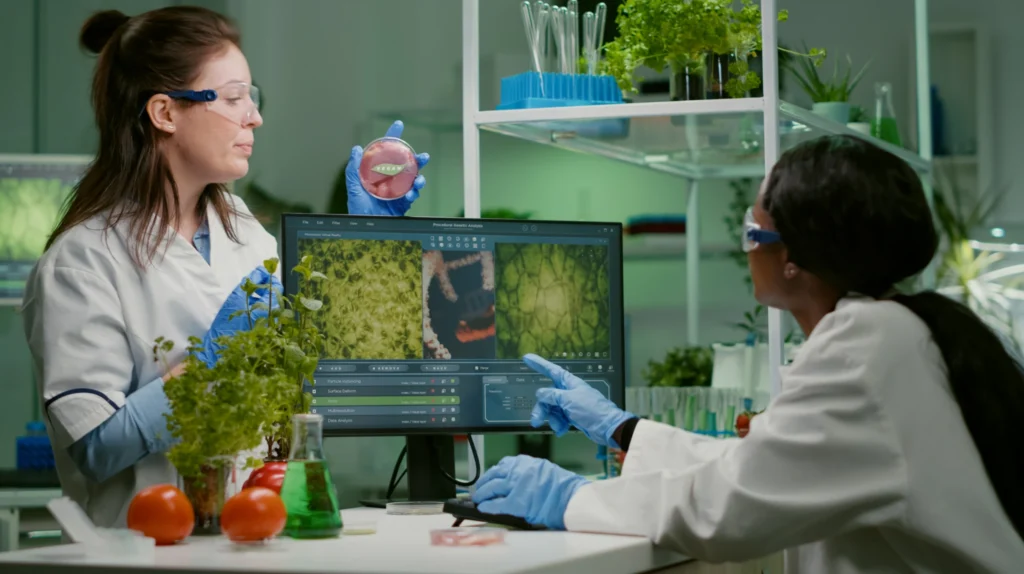
Medical Laboratory Technologists will move beyond traditional sample testing to managing AI-enabled diagnostic systems and automated laboratory platforms. By 2030, they will use machine learning tools to identify cellular abnormalities, analyze complex laboratory data, and validate AI-generated insights. Their role will increasingly focus on quality control, data interpretation, and supporting faster, more accurate clinical decisions.
- Precision Bioinformatics Specialists & Genetic Counselors
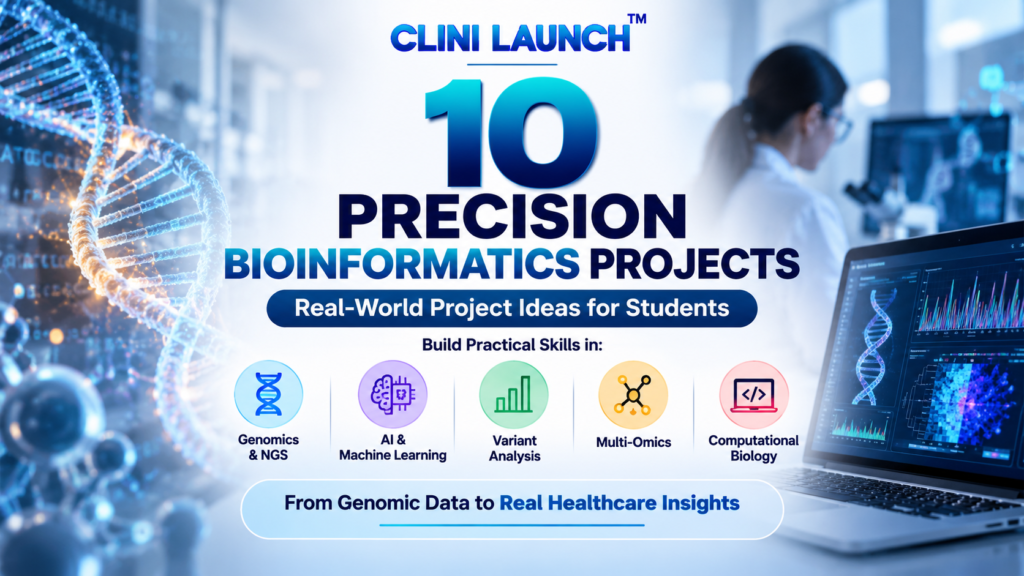
Precision Bioinformatics Specialists and Genetic Counselors will play a key role in the growth of personalized medicine by combining genomics, AI, and advanced data analysis. By 2030, these professionals will analyze multi-omic data, including genomics and proteomics, to identify genetic risks, support early disease prediction, and help develop personalized treatment strategies before symptoms appear.
- AI Drug Safety & Pharmacovigilance Compliance Officers
AI Drug Safety and Pharmacovigilance Compliance Officers will transform traditional drug safety monitoring by using advanced analytics and machine learning systems. By 2030, they will manage AI-driven pipelines that analyze global health data, identify potential adverse drug interactions faster, and support real-time safety assessments while ensuring compliance with evolving regulatory requirements.
- Virtual Care & Telehealth Operations Managers
Virtual Care and Telehealth Operations Managers will move beyond managing online consultations to building complete digital care ecosystems. By 2030, they will oversee hospital-at-home networks, coordinate real-time data from wearable devices, manage remote monitoring systems, and optimize AI-enabled virtual healthcare delivery for better patient outcomes.
- Medical IoT-Enabled Home Health Aides
Medical IoT-Enabled Home Health Aides will combine patient support with healthcare technology management in home-based care settings. By 2030, they will operate smart medical devices, monitor real-time sensor data, and act as the connection between patients, remote healthcare teams, and digital care platforms to support continuous and personalized care.
- Digital Medical Assistants & Automation Facilitators
Digital Medical Assistants will evolve from administrative support roles into technology-enabled healthcare facilitators. By 2030, they will work alongside AI systems to manage digital workflows, optimize clinical documentation, support AI-assisted tools, and focus more on patient coordination and relationship management rather than repetitive administrative tasks.
Skills That Will Matter Most by 2030 and Beyond
By 2030, healthcare professionals will need more than traditional clinical expertise. The future workforce will require a combination of healthcare knowledge, technology skills, and human-centered abilities to adapt to the changing healthcare environment.
- Digital Literacy & AI Collaboration
Healthcare professionals will need to understand and work with AI tools, digital healthcare platforms, and automated systems. The ability to use technology effectively will become essential for improving patient care and healthcare operations.
- Healthcare Data Interpretation
With the growth of healthcare data, professionals must know how to analyze and apply information for better clinical decisions. Skills in healthcare analytics, data interpretation, and evidence-based decision-making will become increasingly valuable.
- Emotional Intelligence & Patient Communication
While technology will transform healthcare delivery, human connection will remain essential. Strong communication, empathy, and the ability to understand patient needs will continue to be critical skills for healthcare professionals.
- Continuous Learning & Adaptability
Healthcare technology and medical practices are evolving rapidly, making continuous skill development important. Professionals who stay updated with new tools, research, and industry trends will have better opportunities in the future healthcare workforce.
Conclusion
The future of healthcare will be shaped by innovation, technology, and professionals who can adapt to a rapidly evolving industry. As AI, digital health, precision medicine, and healthcare analytics continue transforming care delivery, new opportunities will emerge across clinical, technical, and research fields.
By 2030, the most in-demand healthcare professionals will be those who combine healthcare expertise with digital skills, data knowledge, and human abilities such as empathy and critical thinking. For individuals looking to build future-ready careers, CliniLaunch Research Institute offers industry-focused programs designed to develop skills in clinical research, healthcare AI, analytics, and emerging healthcare technologies. With practical training, expert guidance, and career-focused learning, CLRI helps aspiring healthcare professionals prepare for the evolving opportunities of tomorrow’s healthcare industry.
FAQs
1. What are the future healthcare jobs in 2030?
Future healthcare jobs include AI healthcare specialists, genetic counselors, telehealth professionals, nurse practitioners, and healthcare data experts.
2. How will AI change healthcare jobs by 2030?
AI will automate routine tasks while creating roles requiring healthcare expertise, technology skills, and human-AI collaboration abilities.
3. Which healthcare skills will be important in 2030?
Important skills include AI literacy, healthcare analytics, digital health knowledge, communication, adaptability, and continuous learning.
4. Will AI replace healthcare professionals in the future?
AI will support healthcare professionals by improving efficiency, decision-making, and patient care rather than completely replacing them.
5. Why will healthcare jobs grow by 2030?
Aging populations, chronic diseases, technological advancements, and evolving care models will increase demand for healthcare professionals.
6. Which technology skills will healthcare professionals need?
Healthcare professionals will need skills in AI tools, data interpretation, digital platforms, and healthcare technology systems.
7. Are digital health careers growing in healthcare?
Yes, digital health careers are expanding due to telehealth, remote monitoring, AI, and healthcare data adoption.
8. What role will healthcare data play by 2030?
Healthcare data will support personalized treatment, clinical decisions, predictive analytics, and improved patient outcomes through technology.